-36x36.jpg)


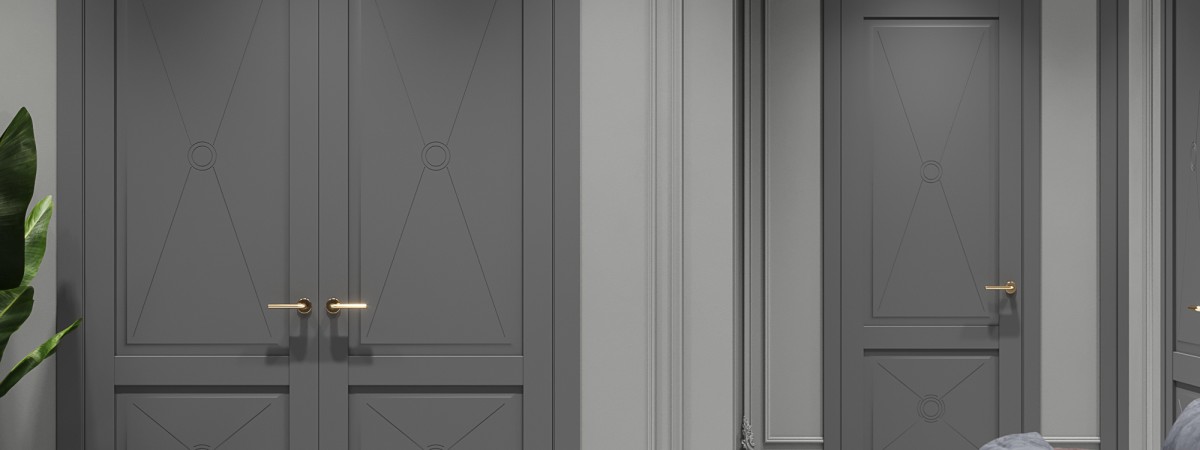
Choosing the right interior door begins with the purpose of the room, not the colour. A bedroom needs privacy and acoustic comfort, a bathroom needs ventilation and a suitable material, while the opening type may be critical in a hallway or a compact room. The PROFDOORS interior door catalogue lets you compare different designs, constructions and set options.
1. Define the requirements of the room
Start by deciding where the door will be installed and what it needs to do. A glazed design can share light with a living room, while a solid leaf is usually preferred for a bedroom. A denser construction may suit a home office. A bathroom requires planned ventilation. If there is not enough space for a hinged leaf, consider a sliding system.
2. Choose the finish and design
Painted MDF doors provide a smooth surface and a wide choice of colours. Veneered doors bring the texture of natural wood into the interior, with subtle variation from leaf to leaf. Laminate, PVC and eco-veneer finishes are practical for daily use and available in many decors. Do not rely on a screen image alone; view real samples under different lighting where possible.
For a coherent interior, the doors can coordinate with the floor, walls, furniture or skirting boards. The finish of handles, hinges and other metal details also matters. Black, chrome, stainless-steel or brass-toned hardware can change the character of the same door design.
3. Ask about the door core
The core affects weight, stability and acoustic comfort. A lightweight construction can be suitable for an economical solution. Tubular chipboard or a denser solid core usually feels more substantial. However, sound performance depends on the complete door set: leaf, frame, seal, undercut and installation quality.
4. Confirm the dimensions and opening direction
The leaf size is not the same as the structural opening size. Measure the opening width and height at several points, record the wall thickness and account for the finished floor level. Check nearby furniture, switches and the space required to open the leaf fully. Always confirm left- or right-hand opening using the supplier's drawing.
5. Compare complete door sets
The lowest displayed product price does not necessarily mean the lowest final cost. Confirm whether the quotation includes the leaf, frame, architraves, frame extensions, hinges, lock and seal. Handles, privacy turns, cylinders, delivery, removal of old doors and installation may be separate.
6. Plan measuring and installation
Professional measuring can reveal an uneven opening, variations in wall thickness or an impractical opening direction before the order is placed. Tall, reverse-opening, double-leaf and sliding systems should be discussed before the finishing work is complete. Professional interior door installation helps achieve consistent gaps, correct closing and reliable hardware operation.
Quick checklist before ordering
- The opening dimensions, wall thickness and finished floor level are known.
- The opening direction is confirmed and there is enough space for the leaf.
- The finish, colour, glazing and hardware finish have been selected.
- The core construction and required acoustic comfort are understood.
- The quotation clearly identifies the set contents, delivery and installation.
If you are unsure about the dimensions or construction, arrange a PROFDOORS consultation and professional measurement before ordering.